
Demystifying Calcium Phobia
What's up with the calcium phobia in the holistic health industry?

A war is being waged on calcium.
No I’m not talking about the decades-long war against raw milk, a rich source of calcium.
It is a war of gross misinformation from the holistic health industry about whether or not people need to take supplements & formulas that contain calcium.
I can rest assure you that being the committed health enthusiast seeking comprehensive solutions to resolve your health burdens from inside-out, you’ve been a victim of this gross misinformation right now.
The common narratives about calcium are that:
We get too much calcium & not enough magnesium from foods & supplements
Calcium supplements cause calcification of our soft tissues, one of the core foundations of many chronic health problems today such as heart attacks, kidney stones, prostate cancer & strokes.
Here are some examples of the prevailing narratives in the holistic health space:
As a result of the narrative, a lot of holistic health practitioners in the functional medicine and naturopathic circles avoid recommending supplement formulas containing calcium and leave you with the “food is sufficient” for calcium intake.
They’re all wrong & misguided.
Read that again.
They’re all wrong & misguided.
Before we dismantle the narratives around Calcium, we have to understand its origin.
Conventional Nutrition Narrative
Calcium deficiency is “a public health concern” according to the US Dietary Guidelines for Americans.1
It seems like the three to six letter agencies tend to “care” about nutrition needs in different life cycles.
Calcium needs are greatest in growing children who need that calcium for their growth & development, expectant mothers & in the elderly, who have a higher risk of health problems such as fractures, osteoporosis & osteopenia.
Because of conventional nutrition & the National Dietary Guidelines (in the United States at least), there is more effort made to fortify food products with calcium (e.g. soy beverages, orange juice, whole grain breakfast cereals) and if you read the nutrition labels of many processed foods & other foods (including cheese, milk, butter, eggs, some vegetables & salads), they often have a section for calcium for the amount of calcium on a particular food product per serving of food like the images shown below.
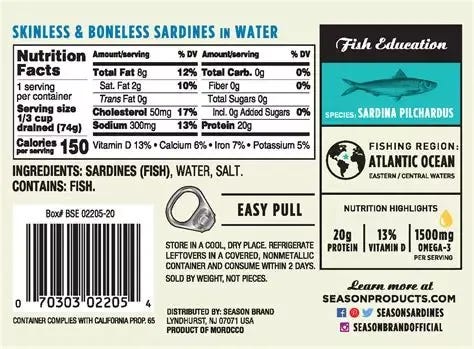
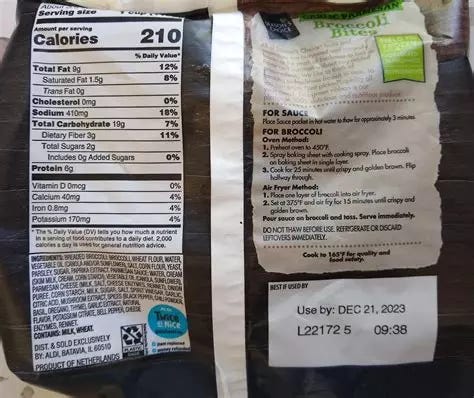
There’s no denying that Conventional Nutrition & Dietetics literature focuses on Calcium and it has led to this development.
Calcium Supplements On Trial
Whenever an individual is diagnosed with:
Osteopenia
Osteoporosis
Kidney Stones
Fractures
It is common for the conventional medical industry to recommend some form of calcium supplementation.
However it seems not to go the way that they know to be the way to heal from osteopenia, osteoporosis, kidney stones, fractures etc.
Not even the US Preventative Services Task Force2, Mayo Clinic3 & Cleveland Clinic4 are fully onboard with calcium supplementation.
The Bone Health & Osteoporosis Foundation & the Institute of Medicine recommend calcium supplements if not meeting the daily calcium requirements with diet alone.56
Already quite the split within the normie organizations, eh?
In Case You Missed It…
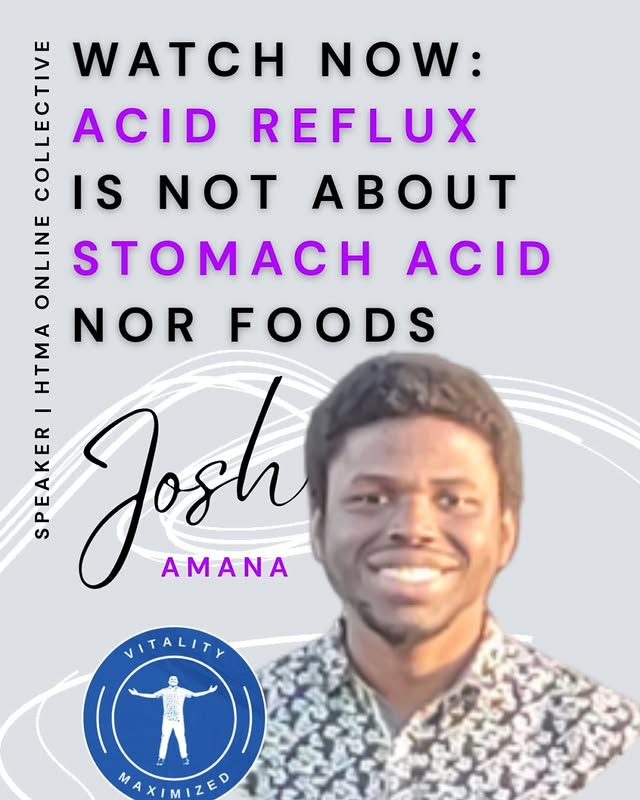
Recently, I made a summit appearance to the HTMA Online Collective and made a strong case why acid reflux sufferers need extra calcium.
To explore real causes of acid reflux, and not endlessly fixate on what foods to eat and relying only on increasing (or decreasing) stomach acid, subscribe to the HTMA Collective below:
The Pushback from the Holistic Health Industry
Unfortunately, the anti-calcium supplementation narrative is amplified in the holistic health industry.
If you ever watched those YouTube videos attached, these doctors & practitioners are nice enough to leave citations for this topic. All the research studies are in the footnotes.7
Here are my thoughts and conclusions about the videos themselves & the studies they left:
The supplement forms of Calcium
In numerous studies, they collected that the participants were using calcium carbonate predominantly. Only one study mentioned some of the participants using calcium citrate. These are poorly absorbed forms of calcium and something I won’t recommend to anyone ever!
Citrate in particular can increase retention of heavy metals including aluminium.8
Carbonates are not chelates. A chelate has a strong bond to the mineral and chelates are always an organic acid or amino acid. Given carbonates are not chelates, they have less absorption rates than a malate.9
Using calcium alone
You are going to find all over the Internet that calcium needs “co-factors” to make calcium more bioavailable. They’ll mention that you need magnesium, vitamin D3, vitamin K2 & boron (at the minimum) to take calcium out of the soft tissues and into the bone matrix. It’s way too easy to sound like everyone else.
The stupidity of taking calcium alone (and/or Vitamin D3).
Calcium absorption relies on excellent digestive capacity. Those with kidney stones, osteoporosis, and other conditions could do with improving the digestive capacity as well.
Calcium tends to be constipating. Poorly absorbed forms of calcium can inhibit your ability to detoxify as your feces are one of the safest routes to detoxify. Could this be why there are increased cardiovascular events with calcium supplementation?
Taking calcium (as with taking any nutrient for a supposed benefit) can induce relative nutritional deficiencies & interfere with this delicate mineral-vitamin-hormonal-glandular web that governs how we function. For example:
Taking calcium tends to lower the tissue potassium level. Potassium is important for the maintenance of the heart rhythm.
Taking calcium may induce a relative magnesium deficiency. Magnesium deficiency with relative calcium excess can lead to constipation and muscle cramps
The Gross Limitations of these studies
It’ll be nice to know the socioeconomic status, the types of jobs the participants worked, whether the participants are married and/or have children, what kind of foods they eat, when they eat their meals etc.
Given that the calcium supplementation controversy is centered around the increase in cardiovascular events, some questions can be asked to give rich information & perspective:
Do the participants have any personal conflict to someone close to them?
Do these participants have trouble identifying & enforcing boundaries?
Do the participants feel undeserving of love?
Given that the calcium supplementation controversy were in the expectation that that’ll work to reverse osteoporosis, fractures, kidney stones & osteopenia, questions have to be asked about the following:
Are these participants under extreme stress?
Can these participants no longer cope with their daily stressors?
Did they have a history taking proton pump inhibitors (PPIs), cortisone, bisphosphonates, diuretics like Lasix and blood pressure drugs?
Why did I bring up these questions in the first place?
The effects of distress, pharmaceutical drugs, relationship problems all negatively affect the heart & the kidneys.
The heart has a powerful energy vortex that senses fear from an emotional level. It is adversely affected by bad relationships.
The kidneys sense fear from a physical level. Financial distress & overworking damage the kidneys.
Overall, there are more questions than answers hence the limitation with placebo-controlled randomized trials
So yeah the wrong form of calcium & taking calcium alone do not help at all, BUT this does not exonerate Dr Berg, Chris Kresser, Dr Ken Berry and many other prominent voices in the holistic health space who have an anti-calcium supplementation rhetoric.
Calcium supplementation is important for almost everyone and I think the human race have a serious calcium deficiency epidemic.
In order to understand the gravity of this epidemic, let us take a quick crash course on Calcium.
Let’s Take A Quick Break.

Are you a high achiever making good money from your job or business but yet you feel dead inside?
My dear friend & business mentor Eva Vennari is hosting a week-long Alaska Healing Cruise.
This Retreat features these following things that may enhance your personal development journey:
Akashic Record Reading
Crystal Wound Healing
Egyptian Auric Field Clearing
Spirit Communication Tools
If these are experiences your gut feeling tells you that this may be your ticket to clearing quantum & karmic issues that have you been holding you back, smash the link below for more information.
A Crash Course on Calcium
To understand calcium’s impact on our physiology, it is imperative to talk about how calcium is regulated in the body.
There are 2 major glands that regulate calcium in the body: the thyroid gland & the parathyroid gland.


Here are the impacts that these glands have on regulating calcium.
The Thyroid Gland
The end goal of the thyroid gland is not only making T3 & T4 to regulate our metabolism, the thyroid gland produces another hormone called calcitonin.
Calcitonin helps to reduce high blood calcium levels by inhibiting osteoclasts, supports calcium deposition in the bones and send signals to the kidneys to increase urinary excretion of calcium.
Those with overactive thyroid glandular production tend to have a high urinary excretion of calcium.
The Parathyroid Gland
The parathyroid gland secretes parathyroid hormone (PTH). Its objective is to recoup low calcium levels in the blood.
It’ll recoup the calcium in 2 ways: pull calcium from the bones to support the serum calcium levels OR replete calcium through foods & supplements to support the serum calcium level.
The parathyroid gland signals the kidneys to increase calcium reabsorption & the digestive tract to increase the absorption of calcium through the hormone calcitriol.
A calcium deficiency pulls calcium from the bone & into the soft tissues.
We go back to the main hysteria: do calcium supplements induce calcification of the soft tissues leading to kidney stones, prostate cancer & strokes?
Well if you learnt how calcium is regulated just now and some of the pressing questions I had for those scientific studies saying that calcium supplementation, you’d learn that the reason for the epidemic of soft tissue calcification health problems are as a result of a calcium deficiency.
The human race have a serious calcium deficiency epidemic.
You might think I’m being hyperbolic and the way I synthesized the research & science is incorrect.
I don’t think so.
Let’s start with Strokes
Most strokes that human beings have today are thrombotic in nature.
In thrombosis, there’s a high activity of platelets. One of the functions of platelets is to initiate the healing process from vascular injury.10
Platelets are produced in bone marrow and is released alongside high intracellular levels of calcium.11
If you’ve learnt something about calcium regulation in the body, the reason for a high intracellular calcium is a response to a low calcium level in the blood, which requires the parathyroid gland to release calcium from the bones if calcium intake isn’t sufficient.
How About Kidney Stones
Most kidney stones are from calcium oxalates.
This calcium oxalate is formed when the body deposits calcium & oxalates in the kidneys.
Why would the body deposit calcium in the kidneys? To protect your kidneys. When the body is deficient in calcium to support kidney function, the parathyroid gland pulls calcium from the bones and protect the kidneys.
I could go on & on & on. We have a calcium deficiency epidemic and food sources alone are not sufficient at this day & age to reverse the soft tissue calcification crisis.
Doesn’t Calcium Raise The Calcium Level?
In the work that I do which involves using Hair Tissue Mineral Analysis (HTMA), the community has split between those who think this way & those who don’t.
Those that do think taking a supplement with calcium raises the calcium levels practice what is called Replacement Therapy. For those who don’t know what that means, it means:
Whatever mineral, hormone, peptide, enzyme or vitamin is high on a lab test are typically treated as excess or toxicity hence intervene in a way that antagonizes that biomarker such as eating less of certain foods and avoiding certain supplements & vice-versa.
Replacement Therapy is a disease plaguing human intelligence & it’s clearly plaguing their intelligence.
A high tissue calcium level does not come from eating a diet high in calcium or taking calcium supplements. It is from a calcium deficiency which keeps the activity of the parathyroid gland elevated.
If you get nothing from this article, remember that:
A calcium deficiency leads to soft tissue calcification in the body.
A calcium deficiency leads to soft tissue calcification in the body.
A calcium deficiency leads to soft tissue calcification in the body.
Don’t fall for overly simplistic, two-dimensional and uneducated narratives.
Doesn’t Calcium Lower The Potassium Level?
The same camp of the HTMA Community avoid calcium supplementation because it lowers the potassium level.
In theory and in isolation, this is true. I was just the one not long ago that said:
Taking calcium tends to lower the tissue potassium level
However, humans don’t operate in a vacuum.
First & foremost, calcium & potassium levels in a HTMA are indicators of the thyroid & parathyroid gland effects at a cellular level, not total body levels.
The parathyroid gland retains calcium and the thyroid gland retains potassium.
The thyroid & parathyroid tend to have a bidirectional relationship, meaning they tend to oppose each other’s effects to support peak energy levels & metabolism.
As mentioned in my crash course of Calcium regulation, parathyroid hormone effects on the body stay elevated if sufficient dietary calcium intake is not met.
You have to meet the body’s demands for calcium to reduce the effects of parathyroid hormone in the body.
As a result of doing this, the body is then more receptive to thyroid hormone, which increases the tissue potassium level.
You might be confused or think that I’m talking 💩💩.
If you want to support your thyroid & parathyroid glands, you need to replete the body of calcium and support the parasympathetic nervous system.
Calcium Is Not Only About The Bones
Although 99% of the calcium in our bodies are in our bones, the 1% in other areas of the body play vital roles.
Muscle Contraction
Smooth Muscle. Calcium binds onto calmodulin, allowing the influx of acetylcholine to contract smooth muscle like the esophagus, walls of the stomach, intestines, bladder, uterus, blood vessels, lymph vessels and the iris.12
Skeletal & Cardiac Muscle. Calcium binds onto troponin, allowing the influx of acetylcholine to initiate a muscle contraction. Walking, going to the gym, playing sports and any activity under voluntary control are mediated by skeletal muscle contraction & relaxation. 13
Digestion
Histamine relies on calcium to regulate gastric acid secretion from the stomach. The histamine receptor responsible for gastric acid secretion (H2) is a G-Protein Coupled Receptor which relies on calcium for its function.14
Blood Sugar
Calcium is important for insulin secretion from the pancreas.15
Wound Healing
Calcium is important for platelet formation, critical for wound healing.16
Reproductive Health
Calcium is an important constituent of semen, including spermatogenesis, motility & fusion of gametes.17
Weight Regulation
Brain Health
Calcium binds onto the NMDA (N-methyl-D-aspartate) receptor to enhance central nervous system development such as learning, memory & neuroplasticity.20
Acid-Base Balance
Calcium is an alkaline-forming mineral and acts as a buffer from excess acidity & acidosis related complications.
Detoxification
Energy Production
Calcium is involved in regulating energy production in the mitochondria, particularly the activity of the enzyme ATP synthase, which is responsible for the final step of oxidative phosphorylation, the process that produces the majority of cellular ATP.23
Cell Death
In the right conditions & contexts, calcium’s role in initiating cell death can be helpful in slowing the growth of cancer.24
Cell Permeability
Calcium stabilizes the cells which is essential for the release of neurotransmitters & hormones.
Sleep
Calcium is critical for the enzyme N-acetyltransferase which helps convert tryptophan to melatonin.25
Mental Health
Calcium is the fifth most abundant element in the human body.
Calcium is the most abundant mineral in the human body.
If you are a fan of the work of Dr Weston A Price, he recommended a diet for his patients that were children for which the children were eating nearly 3 grams of calcium daily in the reversal of dental caries.28
And we have this mass hypnosis that calcium supplementation is bad. 🤦♂️🤦♀️🤦♂️🤦♀️
If you are a fan of the work of Dr Hans Nieper, he used29:
Calcium orotate to:
reverse arthritis, arteriosclerosis, retinitis, phlebitis, disseminated encephalitis & psoriasis.
recalcify bone tissue following radiation treatment of cancerous bone lesions
Calcium arginate to:
lower blood glucose levels in diabetics
Calcium Aspartate to reverse:
fibrocystic calcification in the breasts for his female patients
bone tuberculosis
osteoporosis & osteomyelitis.
It makes no sense whatsoever to fear calcium supplementation.
If you’re so concerned about your arteries, you’re doing yourself a disservice by not taking calcium seriously.
A clear warning. Me providing a case for calcium supplementation is not a go-ahead to randomly buy a calcium supplement, no matter how good the chelate is.
Never ever correct a perceived calcium imbalance in isolation.
A word is enough for the wise.
Concluding Thoughts
Everyone needs some form of calcium supplementation. Our diets today do not provide adequate calcium.
If you’re concerned about calcification, you won’t do yourself a favor at all avoiding calcium supplements.
If you want to be a lead & cadmium toxic human being, be my guest.
Calcium Supplementation is your friend, not your enemy.
I won’t have healed from acid reflux in 2022 if not for additional formulations with a good calcium chelate.
The choice is yours. Choose wisely.
Thanks. Signing off!

https://www.dietaryguidelines.gov/resources/2020-2025-dietary-guidelines-online-materials/food-sources-select-nutrients
US Preventative Task Force. Vitamin D, Calcium, or Combined Supplementation for the Primary Prevention of Fractures in Community-Dwelling Adults: Preventive Medication. Published 17th April 2018.
Mayo Clinic. Calcium and calcium supplements: Achieving the right balance. Published 1st November 2022.
Cleveland Clinic. Are You Taking Too Many Calcium Supplements? Published 21st March 2023.
Bone Health & Osteoporosis Foundation (BHOF). Get the Facts on Calcium and Vitamin D.
Bone Health & Osteoporosis Foundation (BHOF). Calcium & Vitamin D.
Institute of Medicine Committee. Dietary Reference Intakes for Calcium and Vitamin D. Published 2011.
Curhan et al. Comparison of Dietary Calcium with Supplemental Calcium and Other Nutrients as Factors Affecting the Risk for Kidney Stones in Women. Published 1st April 1997.
Bolland et al. Effect of calcium supplements on risk of myocardial infarction and cardiovascular events: meta-analysis. Published 29th July 2010.
Bolland et al. Calcium supplements with or without vitamin D and risk of cardiovascular events: reanalysis of the Women's Health Initiative limited access dataset and meta-analysis. Published 19th April 2011.
Myung et al. Calcium Supplements and Risk of Cardiovascular Disease: A Meta-Analysis of Clinical Trials. Published 26th January 2021.
Wang et al. Dietary calcium intake and mortality risk from cardiovascular disease and all causes: a meta-analysis of prospective cohort studies. Published 25th September 2014.
de Abajo et al. Risk of Ischemic Stroke Associated With Calcium Supplements With or Without Vitamin D: A Nested Case-Control Study. Published 18th May 2017.
Barreira-Hernández et al. Risk of Ischemic Stroke Associated with Calcium Supplements and Interaction with Oral Bisphosphonates: A Nested Case-Control Study. Published 14th August 2023.
Morelli et al. Calcium supplements: Good for the bone, bad for the heart? A systematic updated appraisal. Published 7th June 2020.
Nolan et al. Influence of calcium acetate or calcium citrate on intestinal aluminum absorption. Published November 1990.
Taylor et al. Gastrointestinal absorption of aluminium and citrate in man. Published 15th February 1998.
Coburn et al. Calcium citrate markedly enhances aluminum absorption from aluminum hydroxide. Published June 1991.
Lamy, Oliver. Burckhardt, Peter. Calcium revisited: part II calcium supplements and their effects. Published 8th October 2014.
Scridon, Alina. Platelets and Their Role in Hemostasis and Thrombosis—From Physiology to Pathophysiology and Therapeutic Implications. Published 23rd October 2022.
Varga-Szabo et al. Calcium signaling in platelets. Pubblished July 2009.
Jiang et al. Calcium and smooth muscle contraction. Published 15th June 1994.
Wakabayashi, Takeyuki. Mechanism of the calcium-regulation of muscle contraction — In pursuit of its structural basis. Published 21st July 2015.
Patel et al. Biochemistry, Histamine. Last Updated 1st May 2023.
Draznin, B. Intracellular calcium, insulin secretion, and action. Published 28th November 1988.
Klec et al. Calcium Signaling in ß-cell Physiology and Pathology: A Revisit. Published 4th December 2019.
Rosado et al. Intracellular Calcium Release from Human Platelets: Different Messengers for Multiple Stores. Published 25th January 2008.
Nesbitt et al. Intercellular calcium communication regulates platelet aggregation and thrombus growth. Published 31st March 2003.
Correia et al. Regulation and roles of Ca2+ stores in human sperm. Published 11th May 2015.
Naz et al. Role of fatty acids and calcium in male reproduction. Published March 2022.
Hong et al. Calcium ion is the key regulator of human sperm function. Published 29th December 1994.
Heaney et al. Calcium and weight: clinical studies. Published 21st April 2002.
Ping et al. Effects of calcium supplementation on body weight: a meta-analysis. Published November 2016.
Zhang et al. Anti-Obesity Effects of Dietary Calcium: The Evidence and Possible Mechanisms. Published 23rd June 2019.
Diaz et al. Effects of Blocking Multiple Sources of Calcium in Hippocampus During Spatial Learning and Memory Using a Rapid Acquisition Variant of the Morris Water Task. Published 12th March 2025.
Bading et al. Regulation of Gene Expression in Hippocampal Neurons by Distinct Calcium Signaling Pathways. Published 9th April 1993.
Virgolini et al. Molecular Mechanisms for Lead Neurotoxicity. Published 13th July 2021.
Neal et al. Lead exposure during synaptogenesis alters NMDA receptor targeting via NMDA receptor inhibition. Published 1st March 2012.
Templeton et al. Interplay of calcium and cadmium in mediating cadmium toxicity. Published 23rd January 2014.
Tarasov et al. Regulation of ATP production by mitochondrial Ca2+. Published June 2012.
Orrenius et al. Calcium and mitochondria in the regulation of cell death. Published 24th April 2015.
Zawilkska, J B. The role of calcium in the regulation of melatonin biosynthesis in the retina. Published 1992.
Barbosa et al. Tryptophan hydroxylase is modulated by L-type calcium channels in the rat pineal gland. Published February 27th 2008.
Zawilkska et al. Calcium influx through voltage-sensitive calcium channels regulates in vivo serotonin N-acetyltransferase (NAT) activity in hen retina and pineal gland. Published 2nd October 1990.
Connelly et al. Serotonin and calcium metabolism: A story unfolding. Published December 2021.
Du et al. Relationships between Dairy and Calcium Intake and Mental Health Measures of Higher Education Students in the United States: Outcomes from Moderation Analyses. Published 12th February 2022.
Hernández-Castellano et al. Increased serum serotonin improves parturient calcium homeostasis in dairy cows. Published February 2017.
Price, Weston A. Nutrition and Physical Degeneration: A Comparison of Primitive and Modern Diets and Their Effects.
Nieper, Hans. The Curious Man: The Life & Work of Dr Hans Nieper. Published 4th February 2010.
I will book a discovery call.
I think the magnesium potassium and salt balance could be a big part Iod my problems - spasms I ear and head, auditory strange happenings..like resonance Phenomena.
I was taking magnesium L-threonate in large does as it mask the symptoms. Akso a product called Slerp Esy
Another person in my blog with Tinnitis mentioned he has found a solution by accidentally experimenting with potassium after he found relief eating a McDonalds meal...lol. He then started eating more potassium but found he had to supplement it with meals that were balanced in potassium...it was a too much for me to take in.
I'm hypo thyroid, but had extensive private blood analysis a few days ago. Including hormone tests. The chiro whose adjusting my C1 Atas ( controls fight n flight and was quite out so could be causing blood flow problem) organised them as he also has Hashimotos.
He thinks my T3 could be too high. I'm still waiting on reverse T3 results, but my THS was .63, which is low and could indicate hyper. Presently I take a synthetic compounded T3/t4. Not sure of the break up. I've lost a few kgs lately. However have been following a pro metibolic diet for about 4mth and I think my metabolism is also now kicking in as I've included more digestible fruits, cottage cheese, mushroom.not so much grains... now I get hungry!
whilst doing keto I didn't and my weight started to come back on. I accidentally stopped drinking my salt water a week weeks ago so will start back on that as suggested. A functional neurologist Kinesiologist muscle tested me and advised my right brain totally overloaded. I'm doing cross body exercise. When I'm moving symptoms are less.
ENT's and Neurologist at a loss. Yes, I have middle ear myoclonus, but what us the trigger? I think anxiety and possibly diet related. I've always suffered from anxiety.
I'm 63.
I can email a file through to you with documents containing the ladt 12th months journey.
The spasams in my ears are extreme now lasting mist of the day. I think my cortisol is probably high as I always wake up over alert.
My ears are reactive to whatever rhythm or noice is close by and sync with it. Like my nervous system is completely out even though I feel relatively relaxed.
I accidentally took Phenergan (promethazine( and it helped significantly mask the symptoms like they are behind a sound proof room. It's a Acetylcholine inhibitor.....so the neurologist wad happy to prescribe it but I'm trying to take no more than 12.5mg at night and a lamall amount in after if symptoms bad.
Interestingly, chlorine food create Acetylcholine..or something like that. So I have cur back on eggs.
Anyway, thanks for reading.
I'll try to book a discovery appointment
Warmly
Cheryl
Hi. Is grass fed bone marrow (whole bone extract) what you would consider a good calcium chelate? Asking for a friend:)